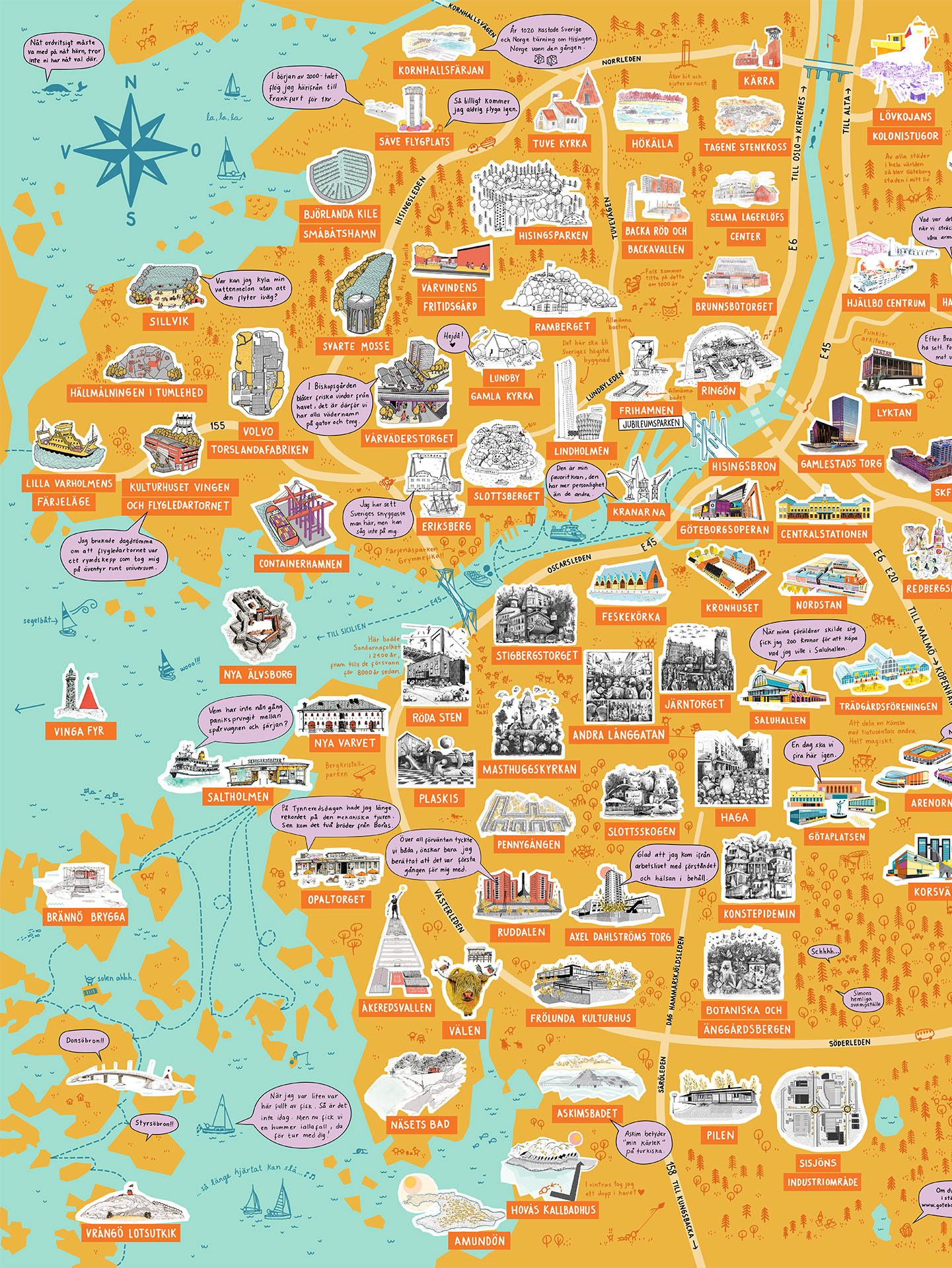
Set in Sörhallsberget, a natural area in Gothenburg known as ‘Älgparken’ by local children, this project reimagines 'natural in-between spaces', the areas between urban environments and natural landscapes, as vital grounds for children’s spatial experimentation, autonomy, and community belonging.​​​​​​​
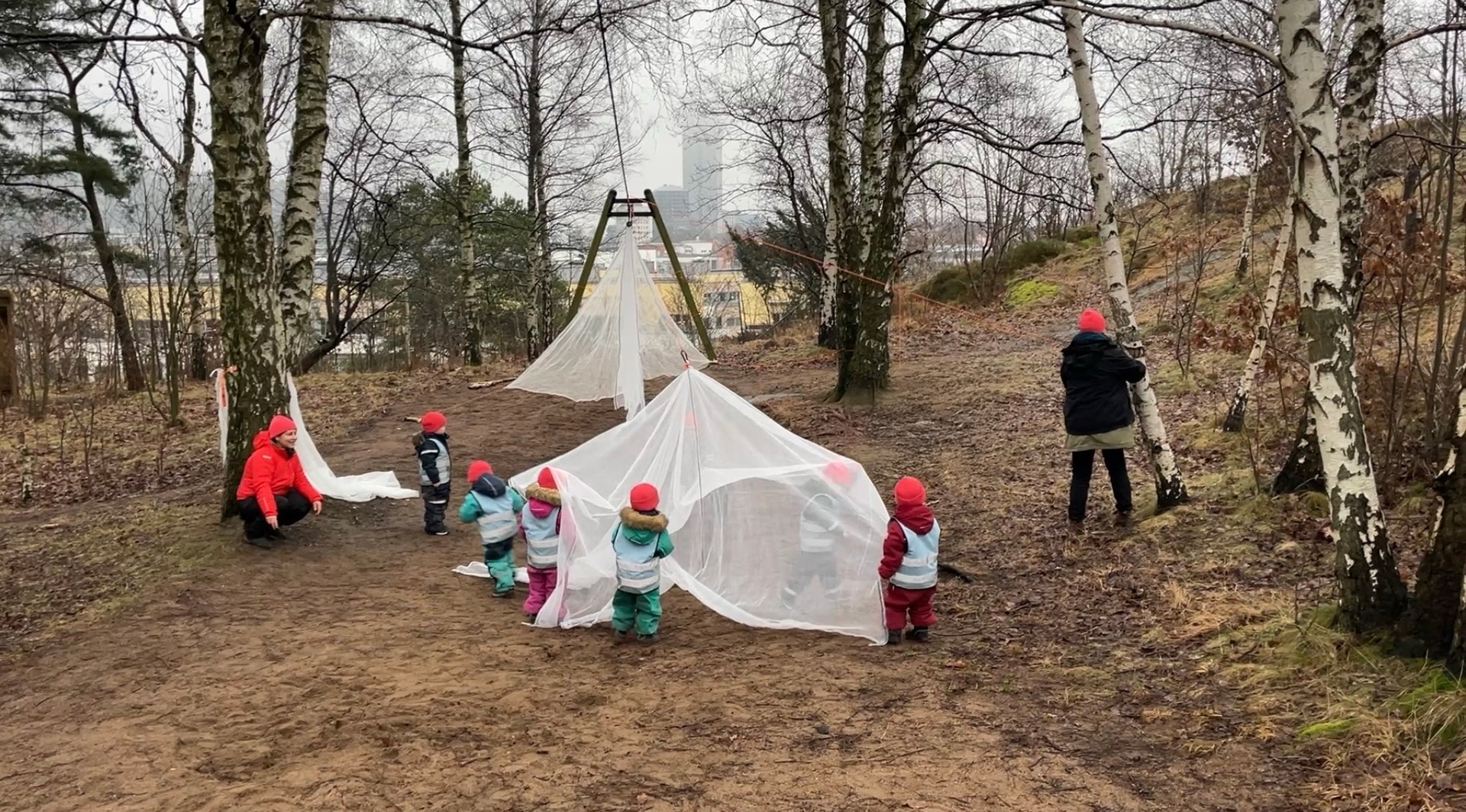
Through site visits and participatory workshops with a regular group of local preschool children, ages 3-6, and additional activities involving children from the neighborhood, ages 2–9, we explored: How can natural in-between spaces be used to support spatial experimentation and play in young children? And how can the co-creation of a temporary structure in public space strengthen young children’s connection to their neighborhood?
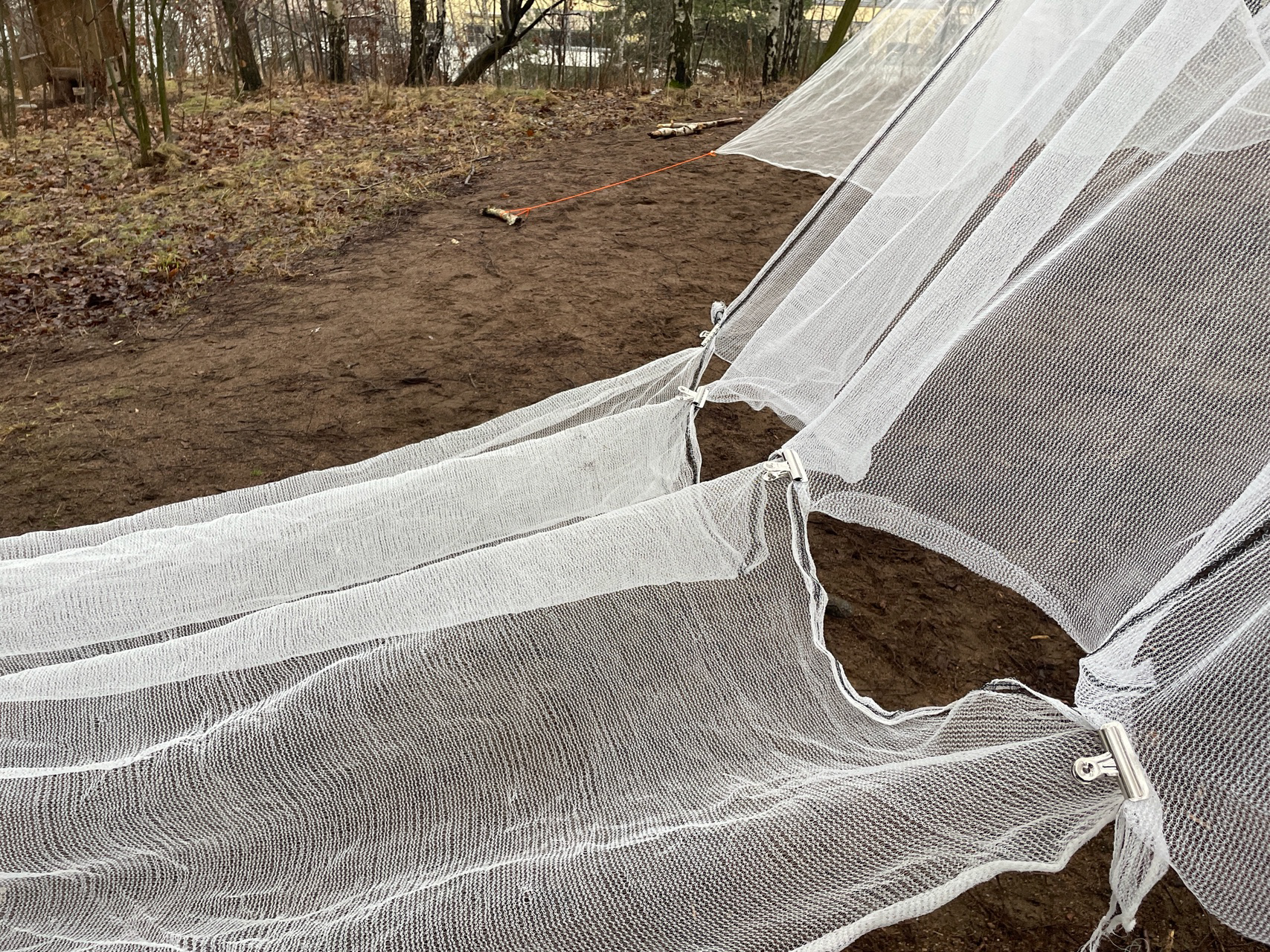
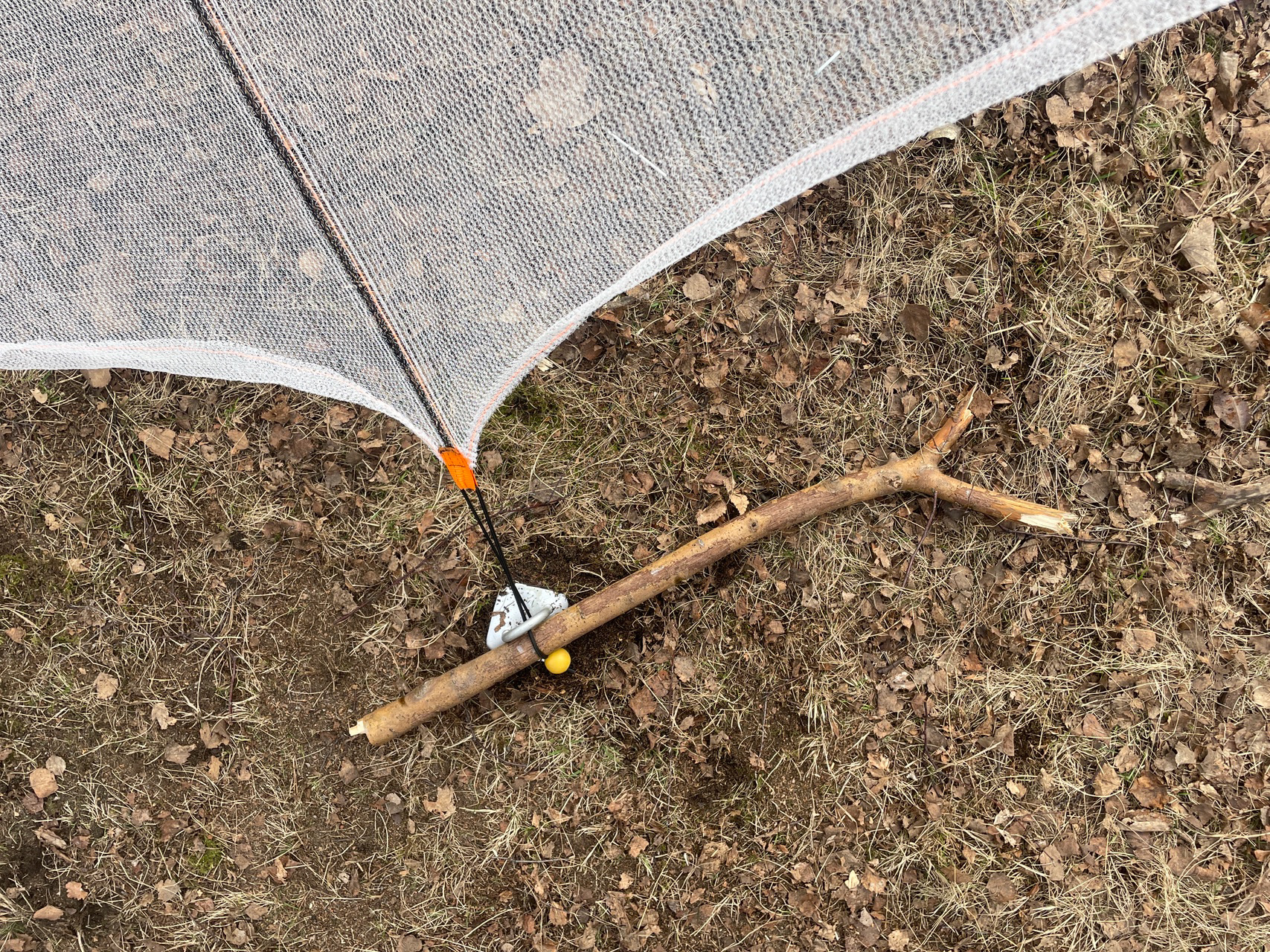
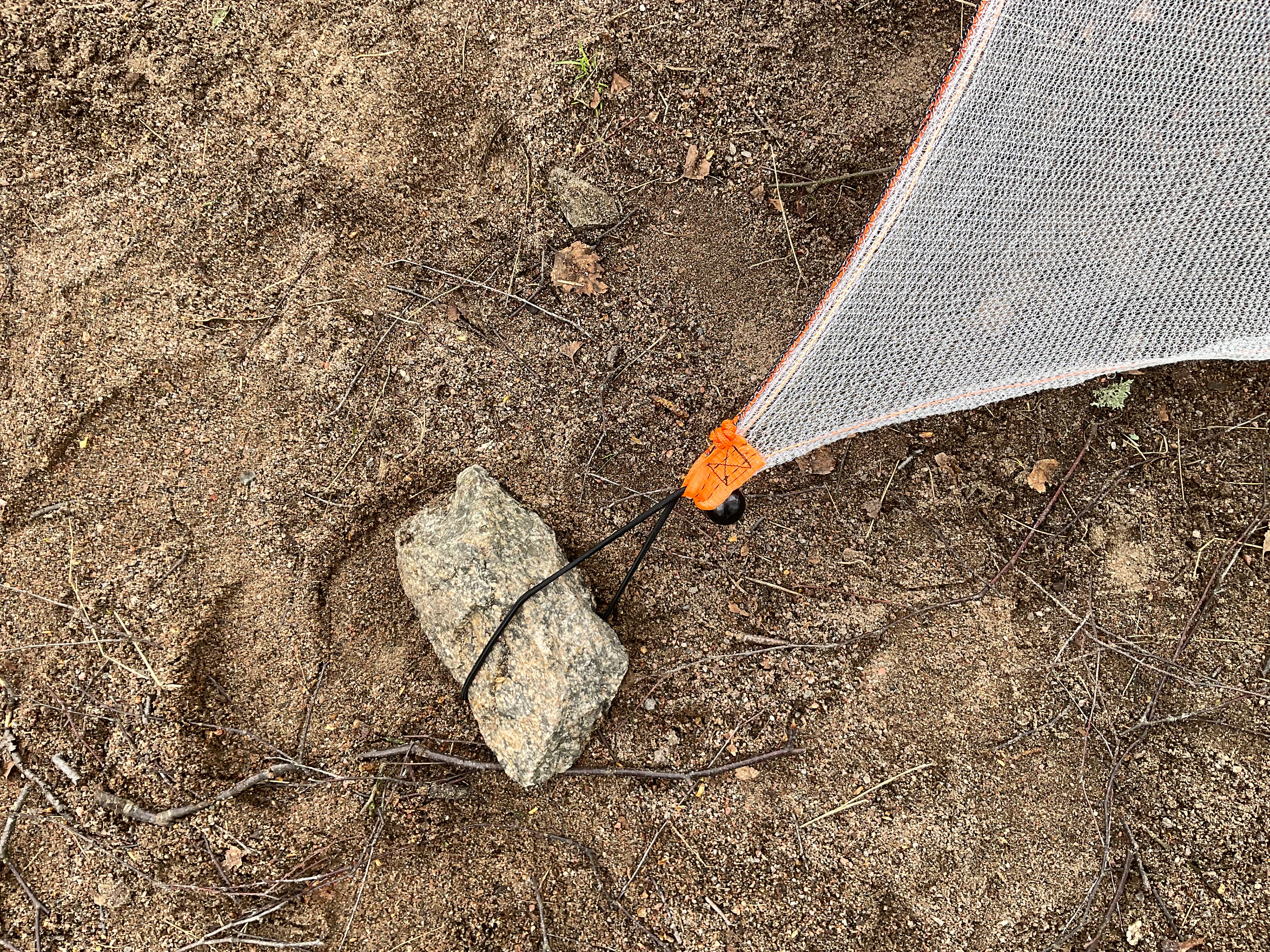
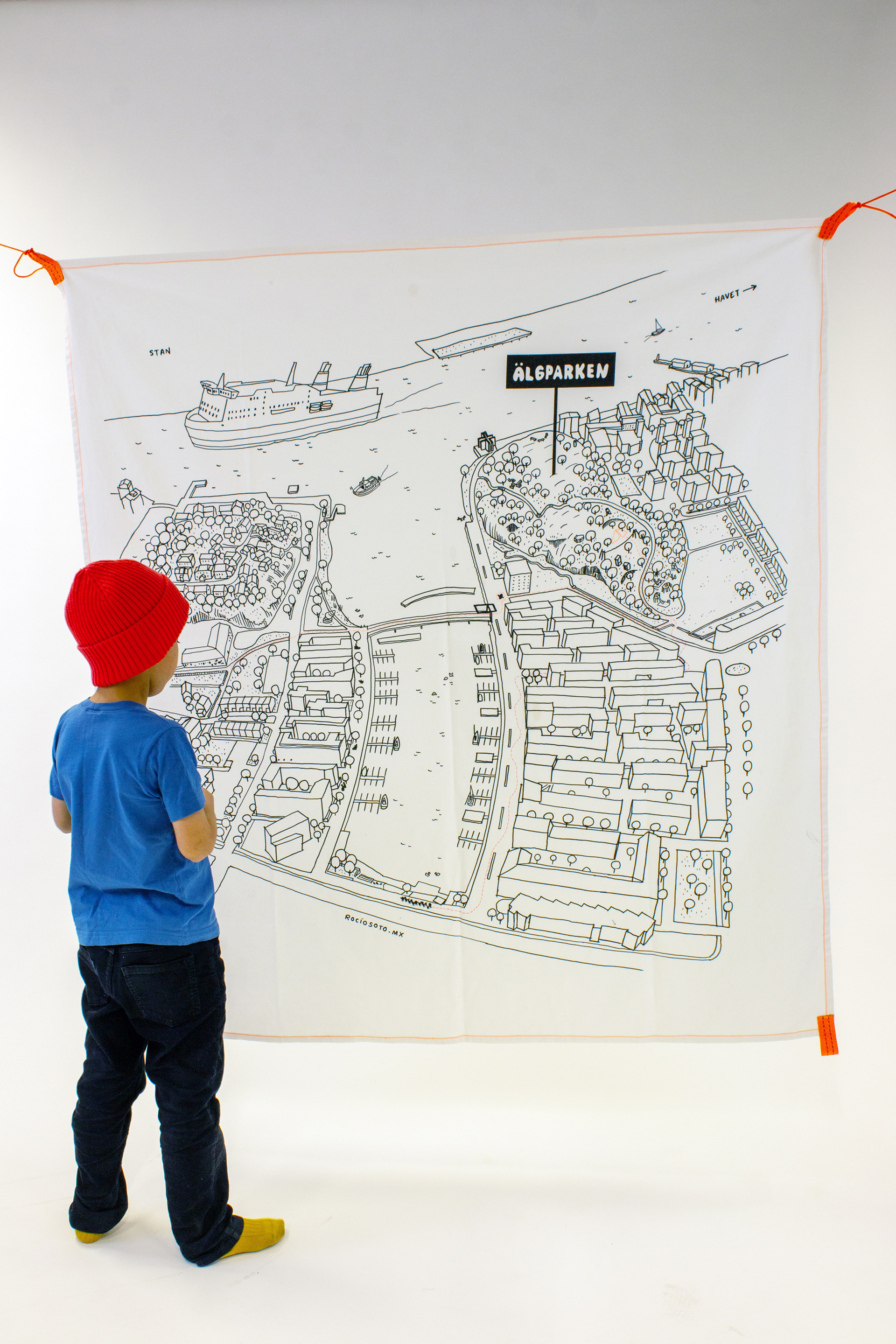
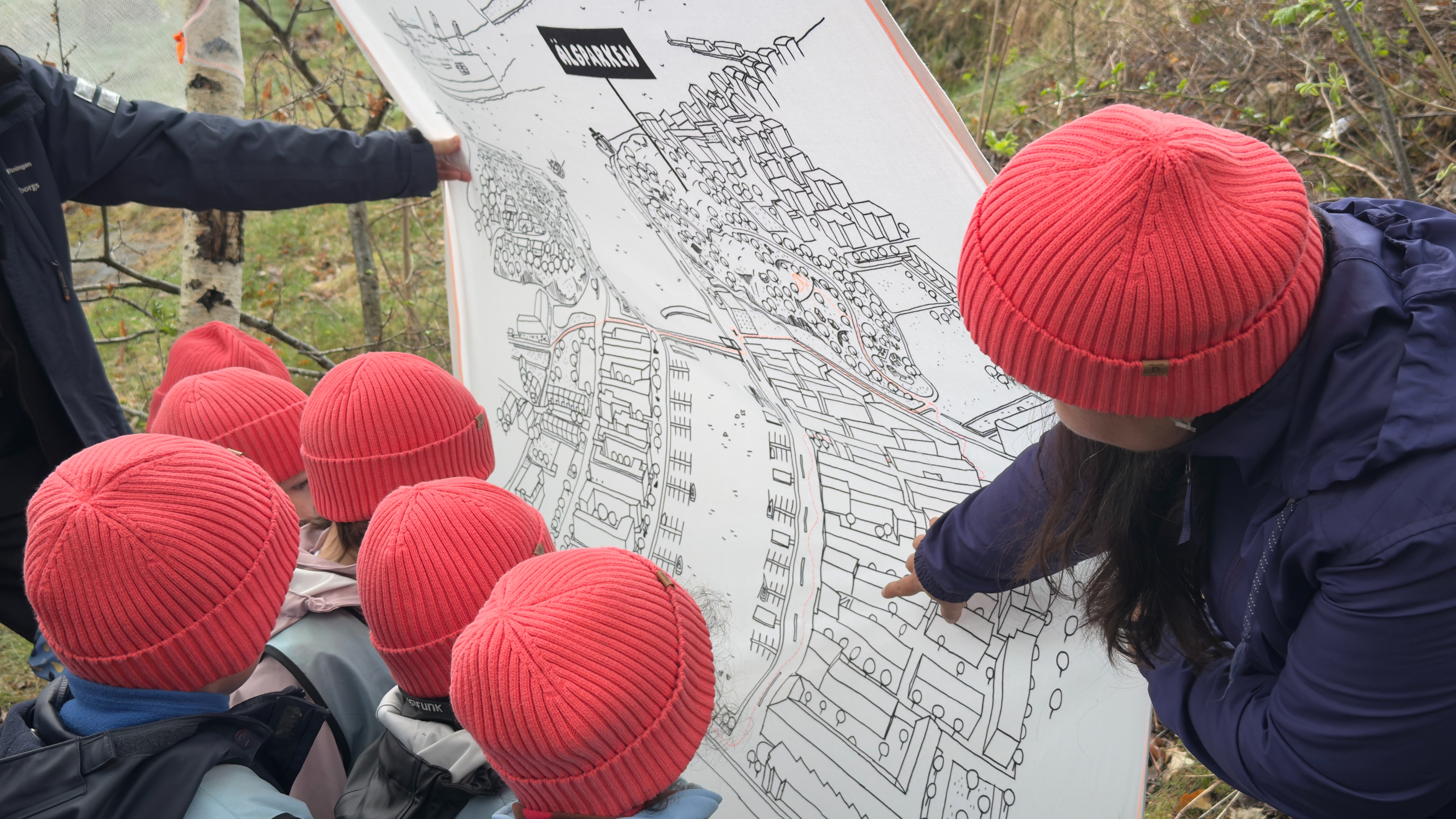
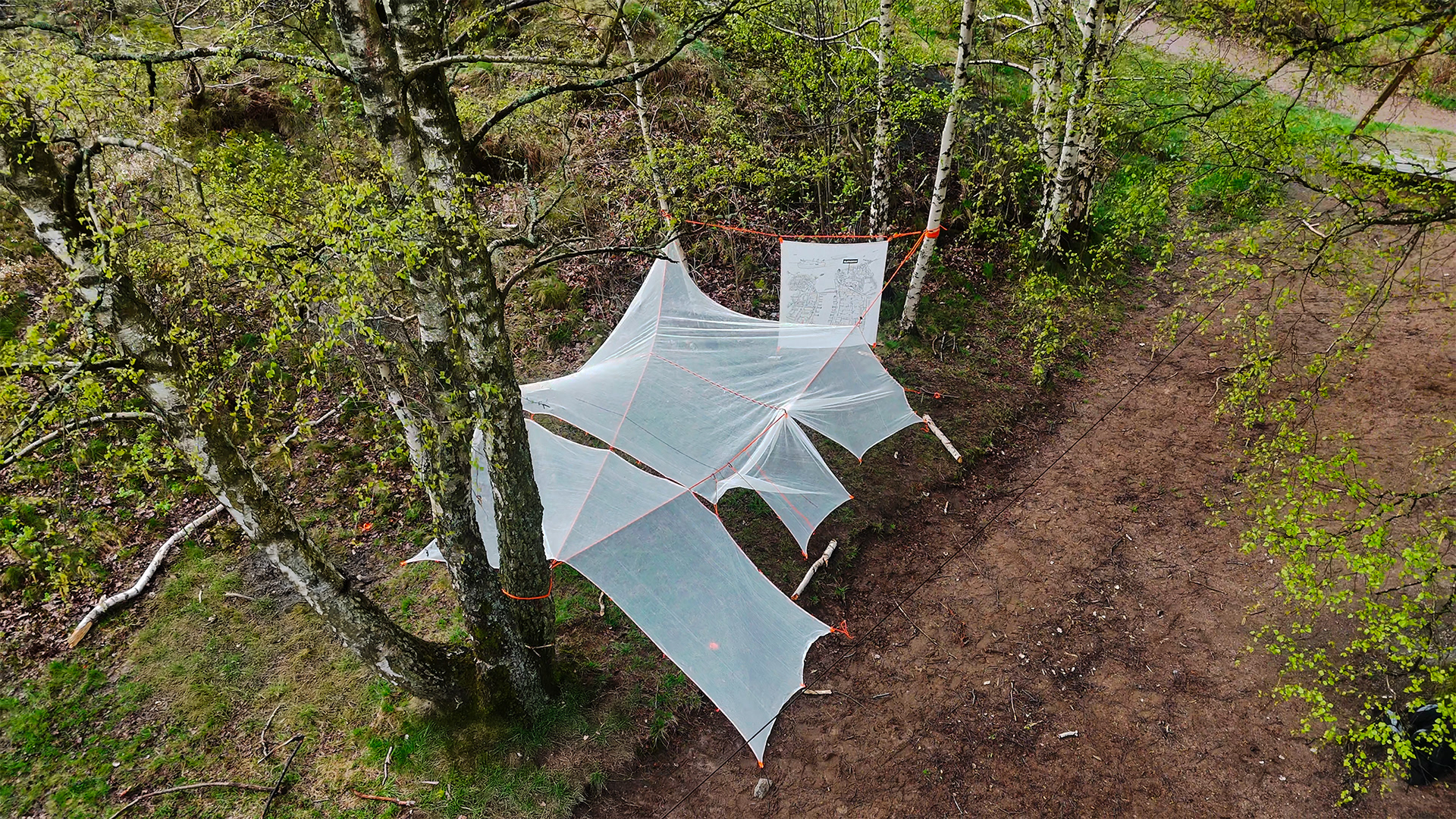
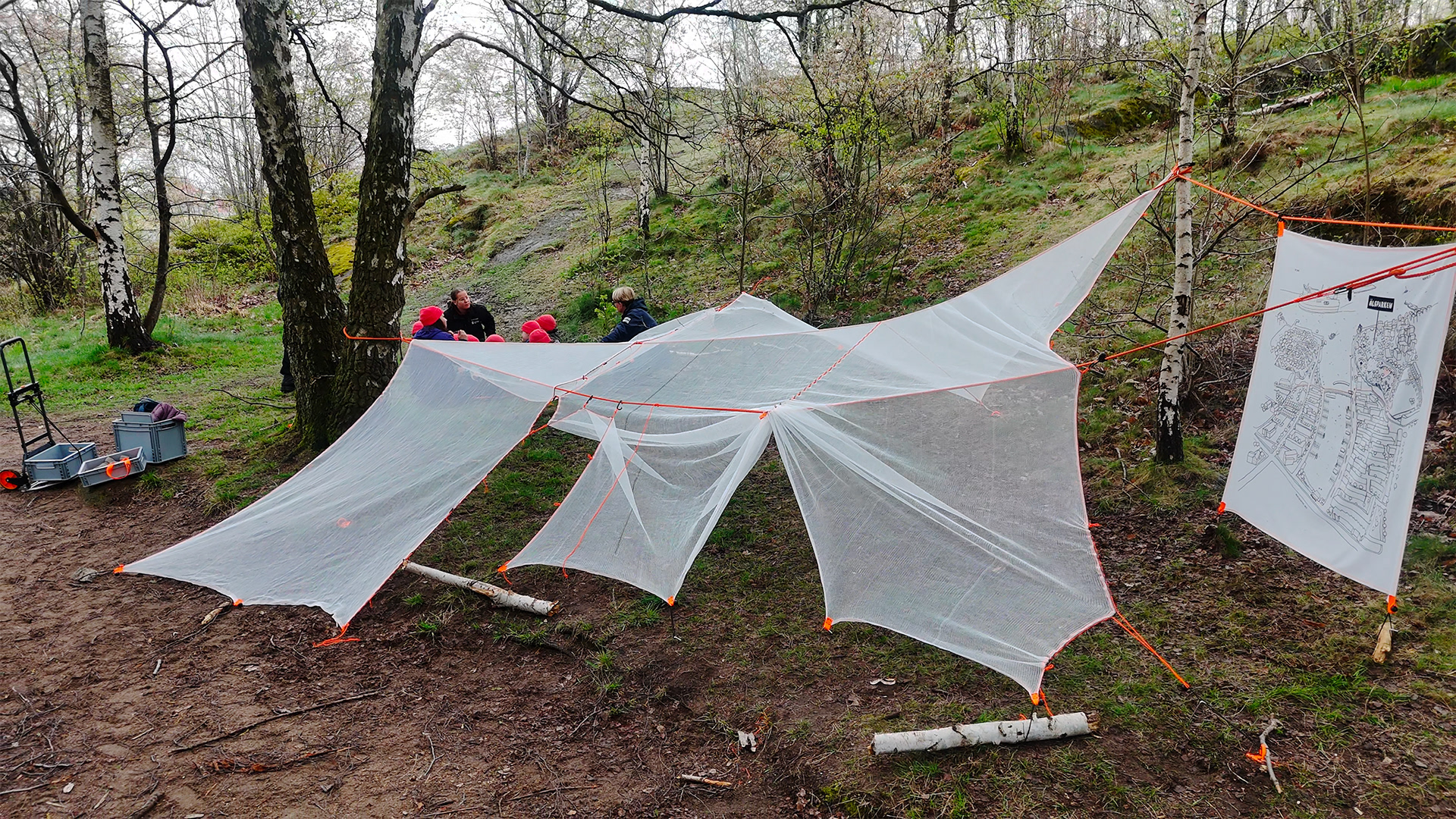
The final outcome is a spatial exploration toolkit that includes an adapted scaffolding net and illustrated map of Älgparken and the neighborhood that allows the co-creation of temporary open-ended structures. Traces left on the site invite other children to keep discovering the place.
This project contributes to the architectural discourse by showing how child-driven, nature-focused design can inspire innovative ways of shaping our living environments.

The scaffolding net was designed to allow young children shape it into different kinds of temporary structures that inspire storytelling and free play.
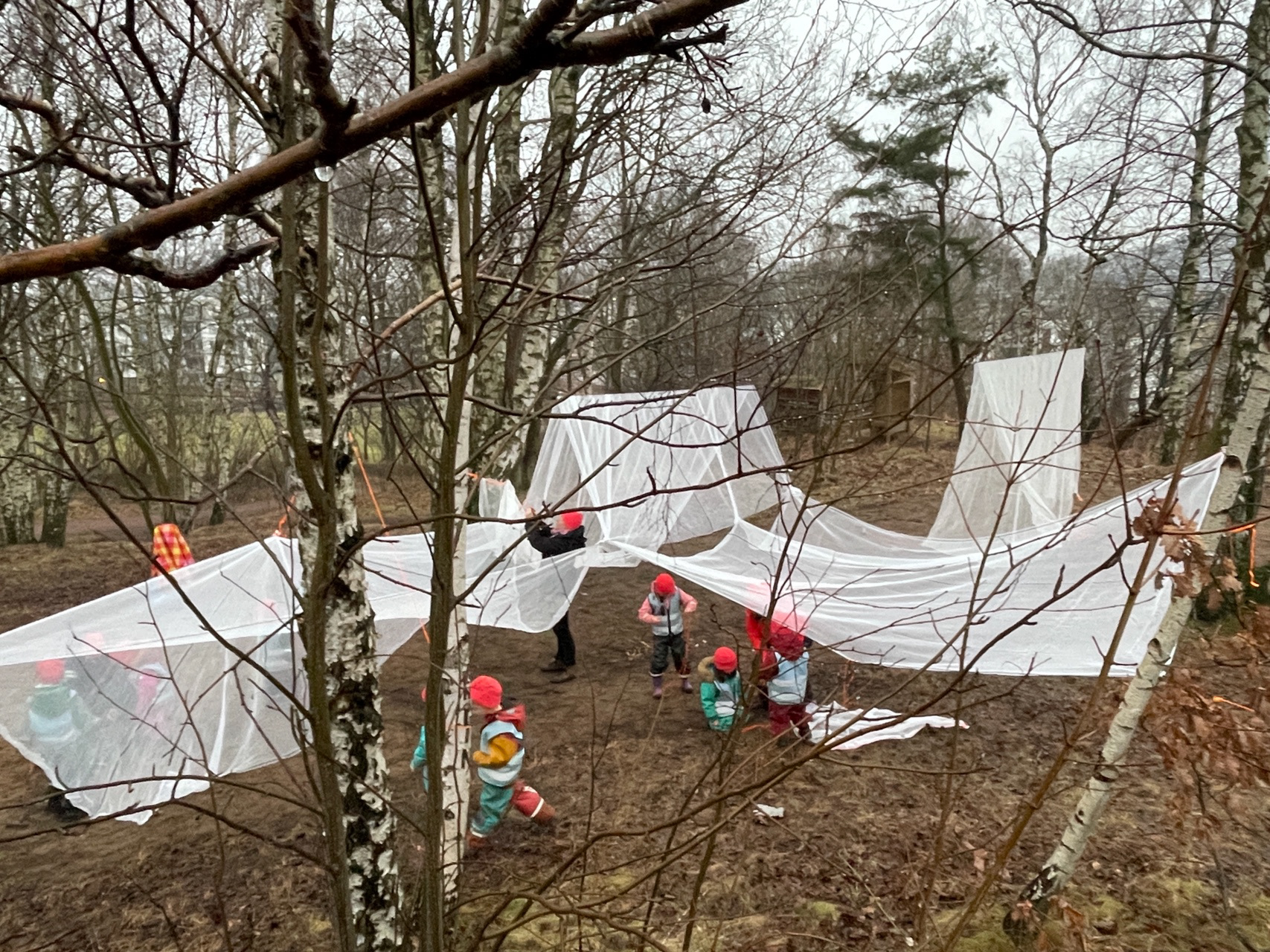
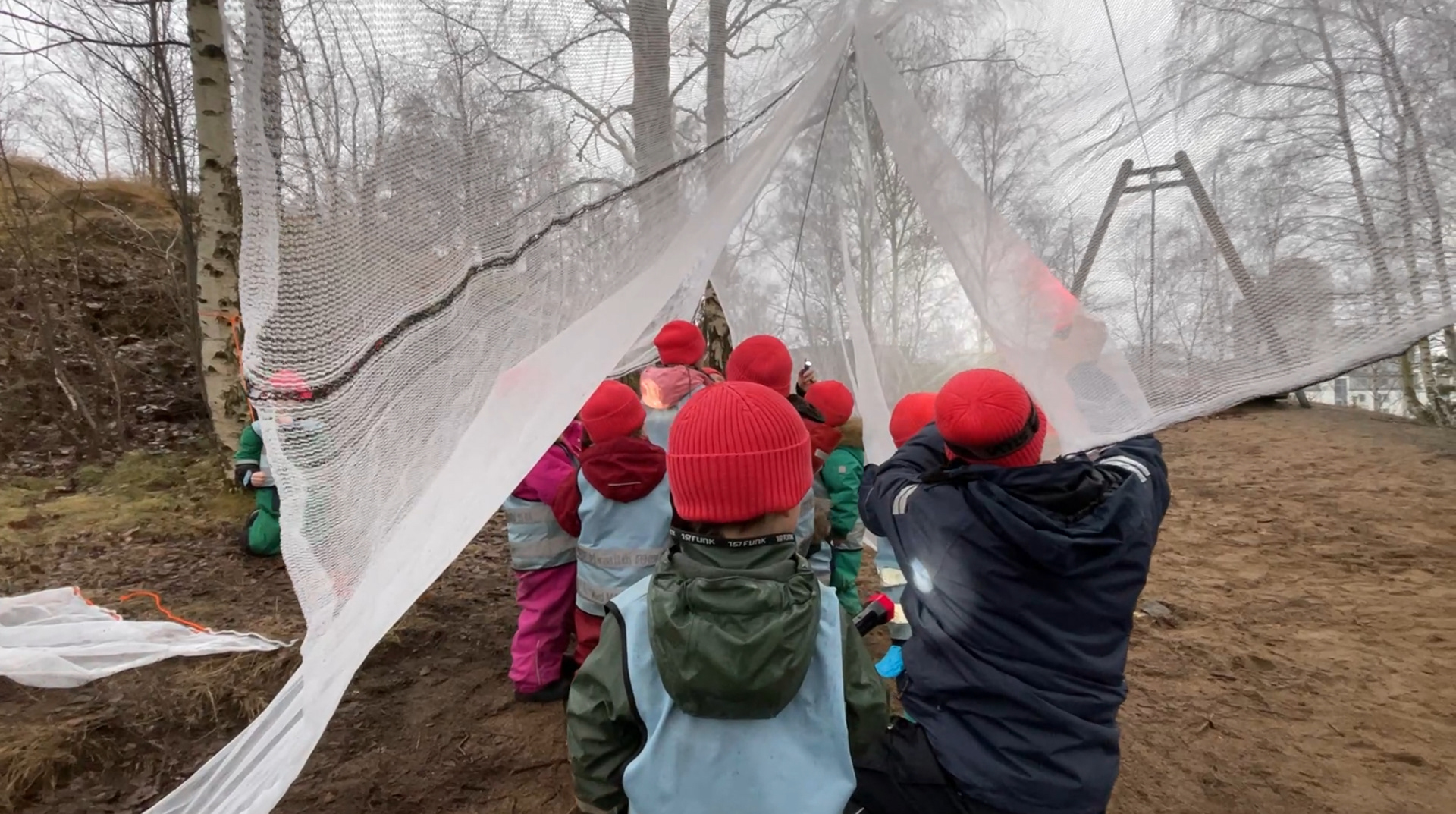
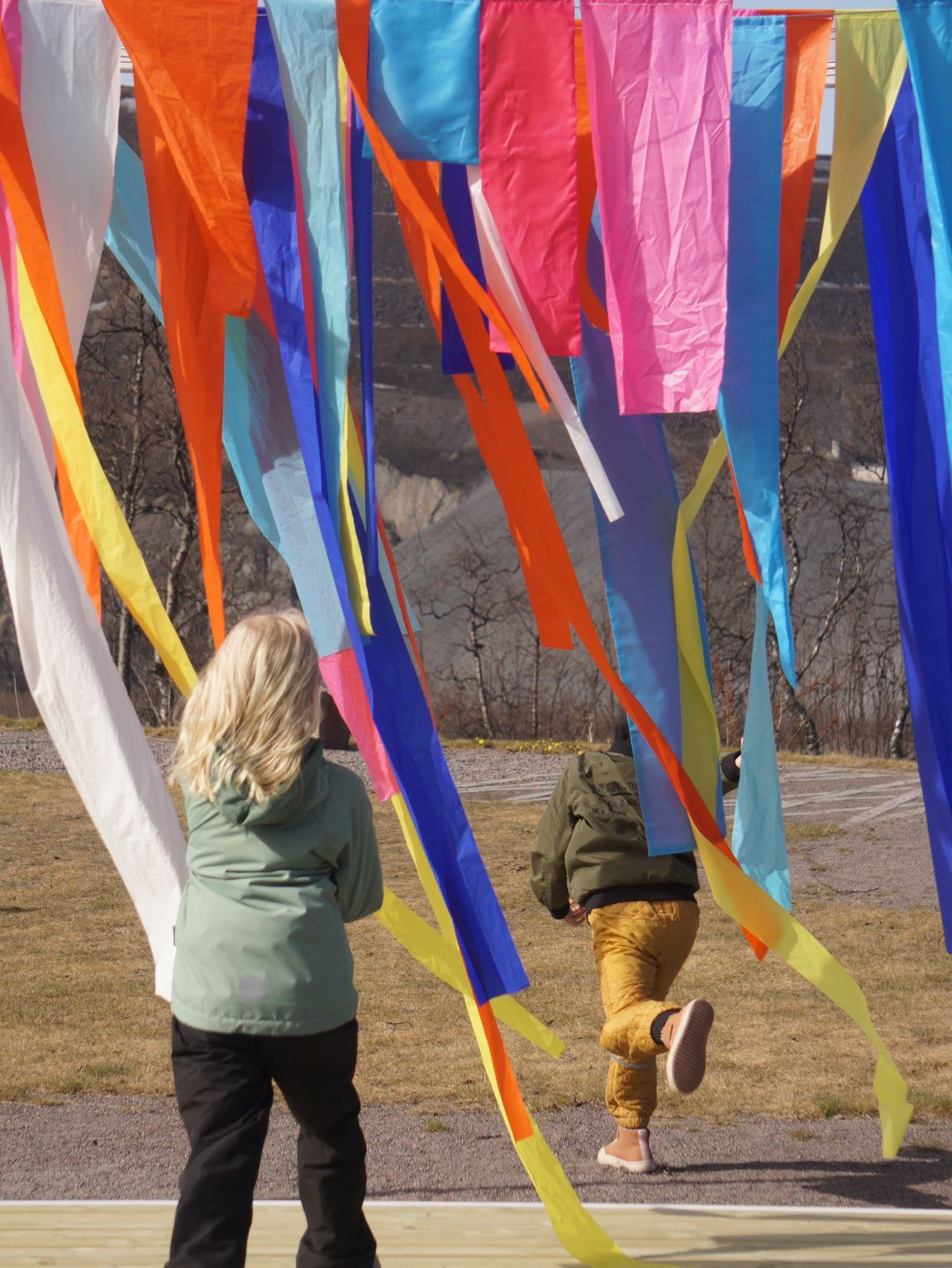
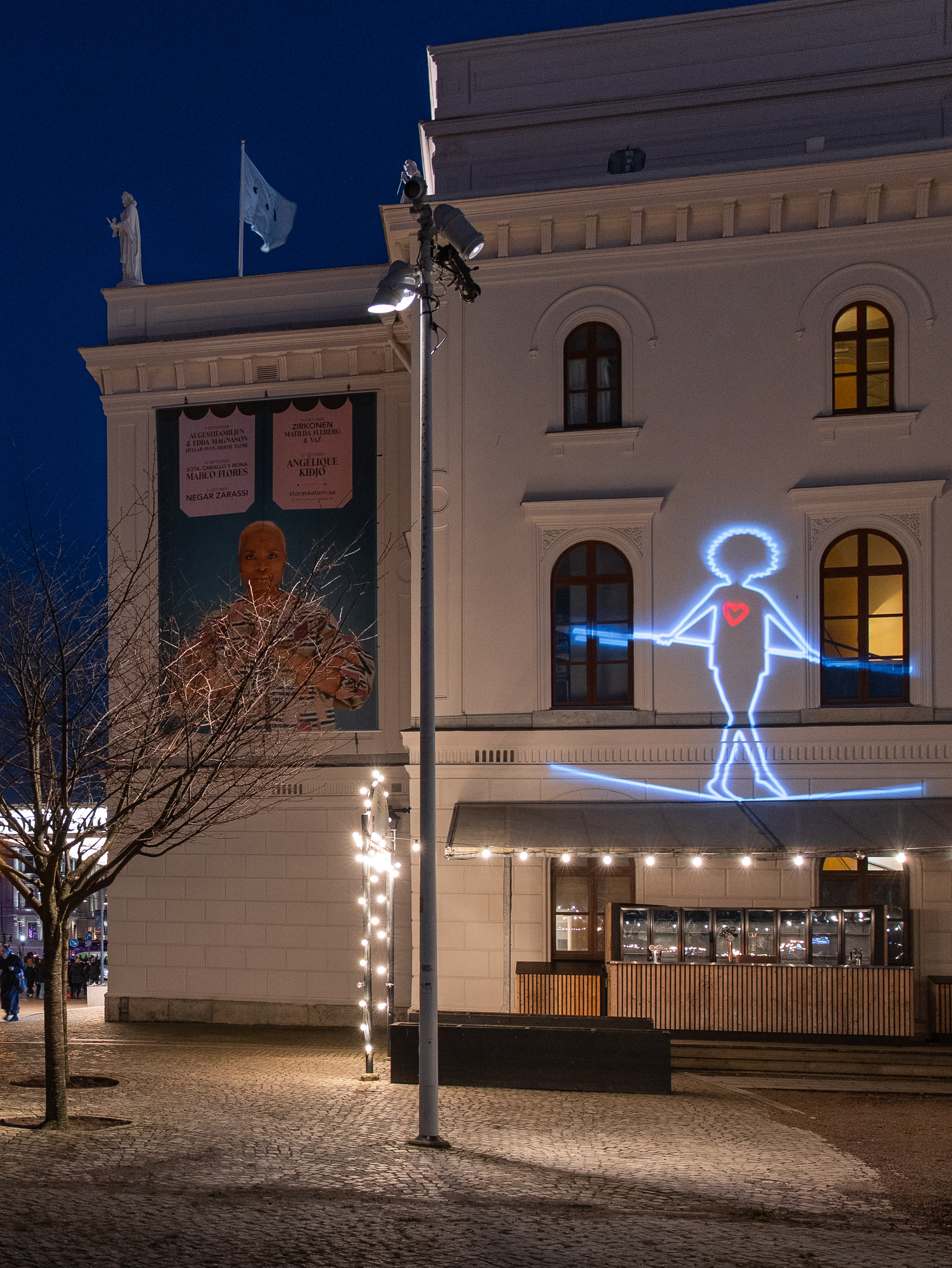
Workshop 4.  Improvising structures together and material exploration with light. Invited Guest: Light designer Emma Kara Nilsson. Workshop support: Zala Seles.
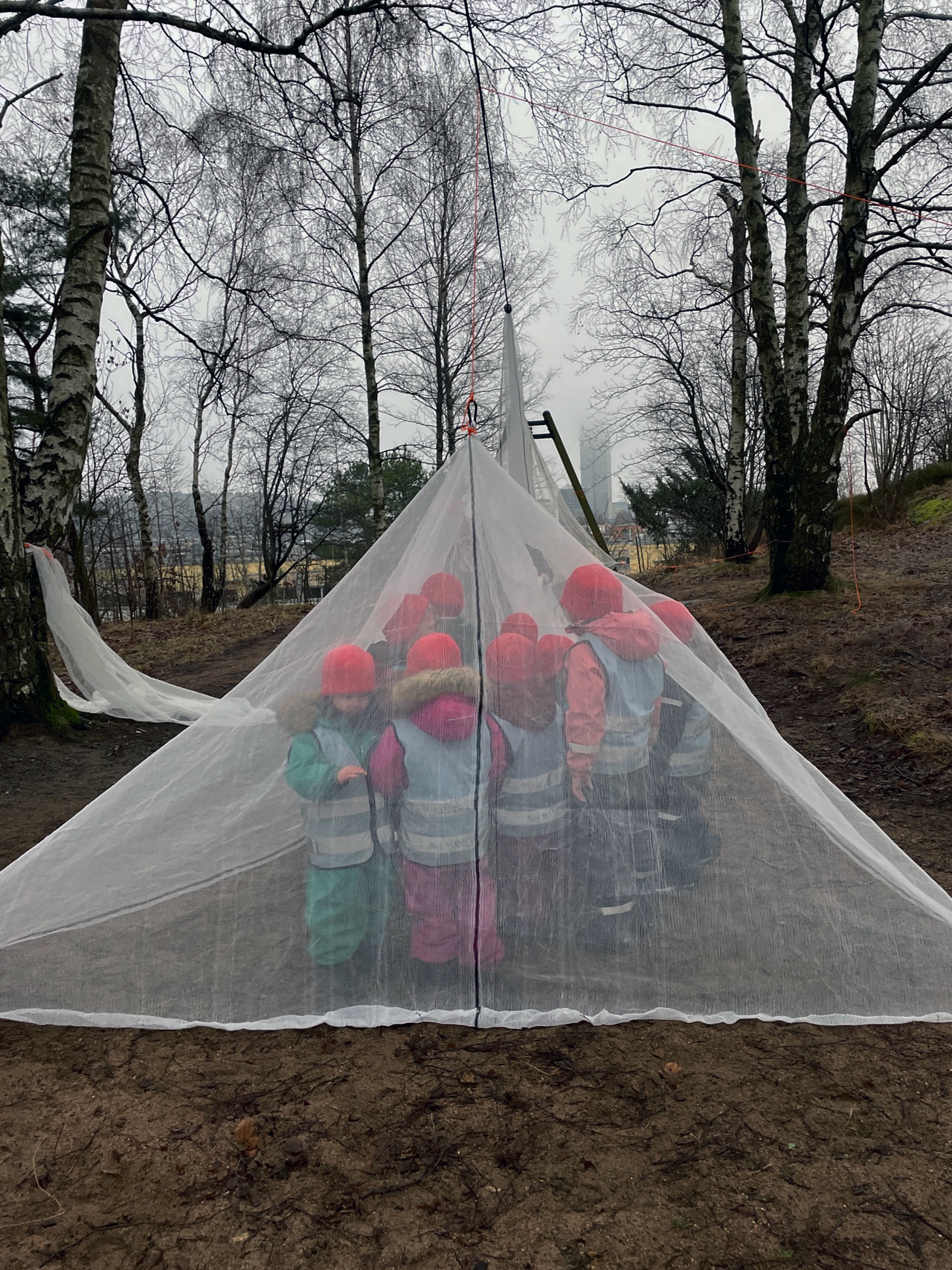
This project embodies Child Culture Design because children weren’t just participants, they were co-creators. The final outcome was shaped by their stories, their experiences on-site, and the design solutions they came up with through the workshops, leaving subtle traces of their culture in Älgparken.

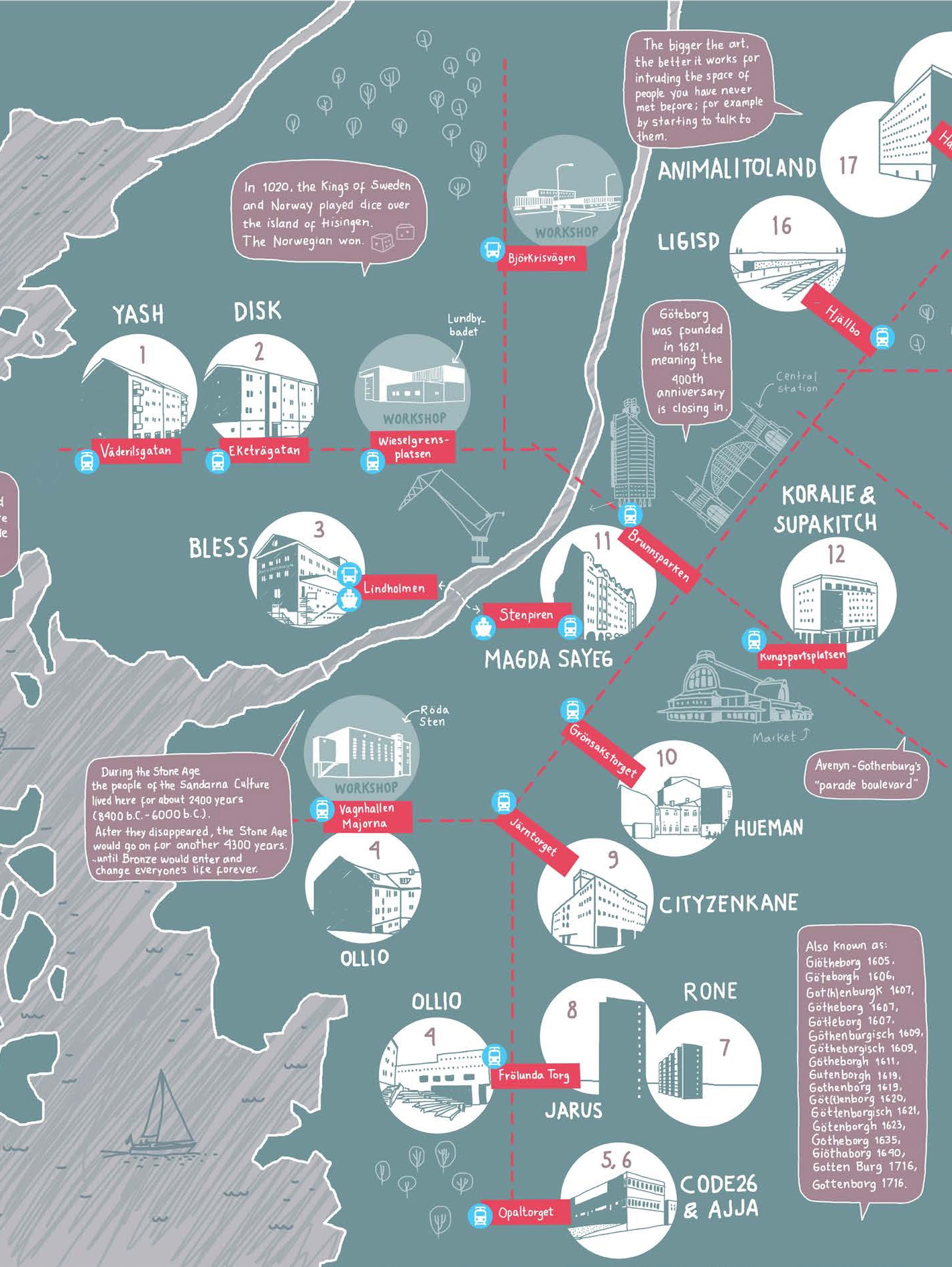
Illustrated map of Älgparken and the neighborhood is a hand-drawn perspective showing the hill and the surrounding neighborhood, gathering the children’s stories and experiences from the project. It began as a record of our first exploration to the hill, and ended up becoming part of the structure. The map was digitally printed on fabric suitable for outdoor use.
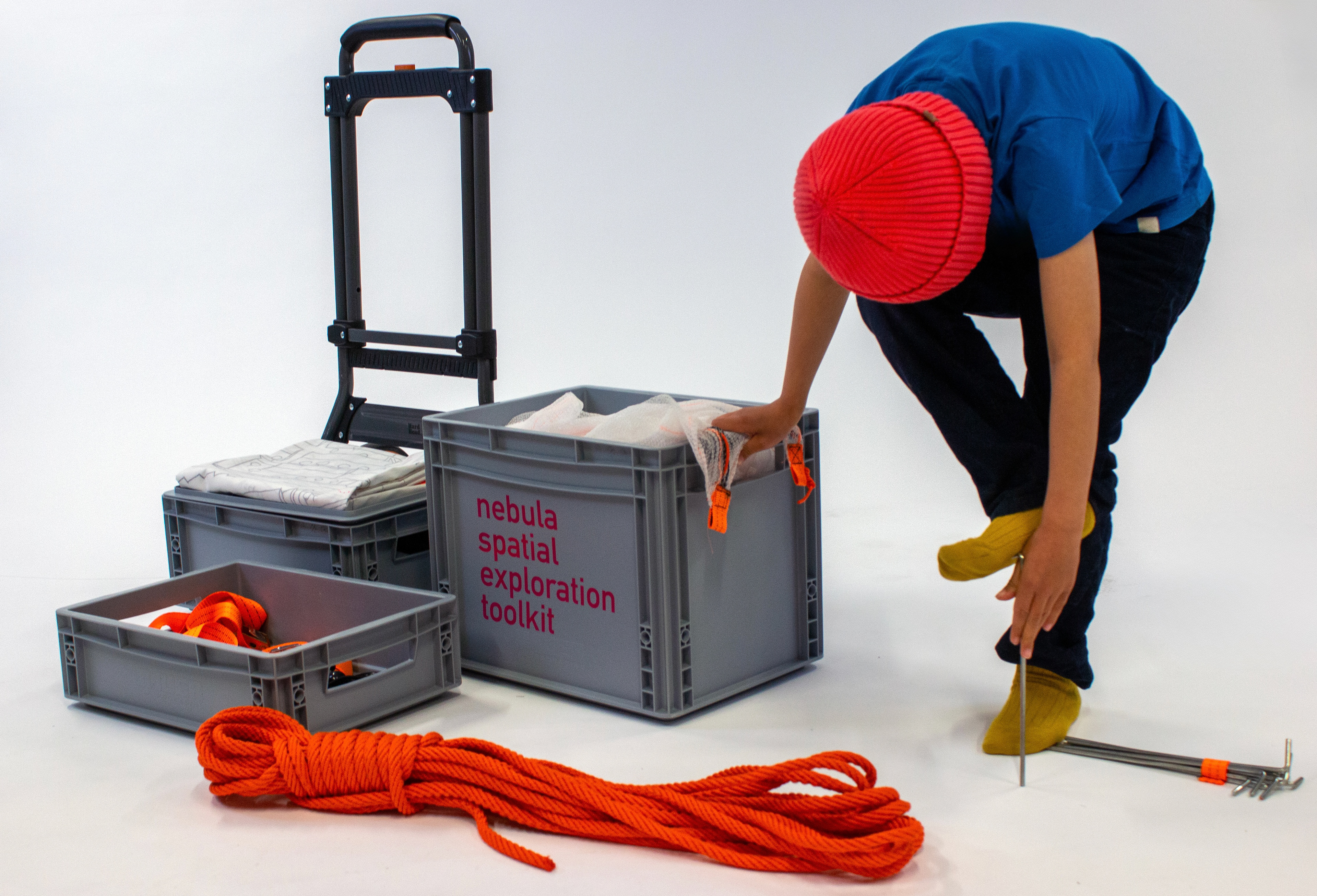
A toolkit was designed to carry the net, the map and all the materials needed for the different workshops and activities on the hill. The fact that the boxes are stackable and not fixed to the cart make possible that children can easily move, carry, and play with them on-site. The boxes can been used as containers, stools, or to gather natural materials on-site like rocks, branches, etc.
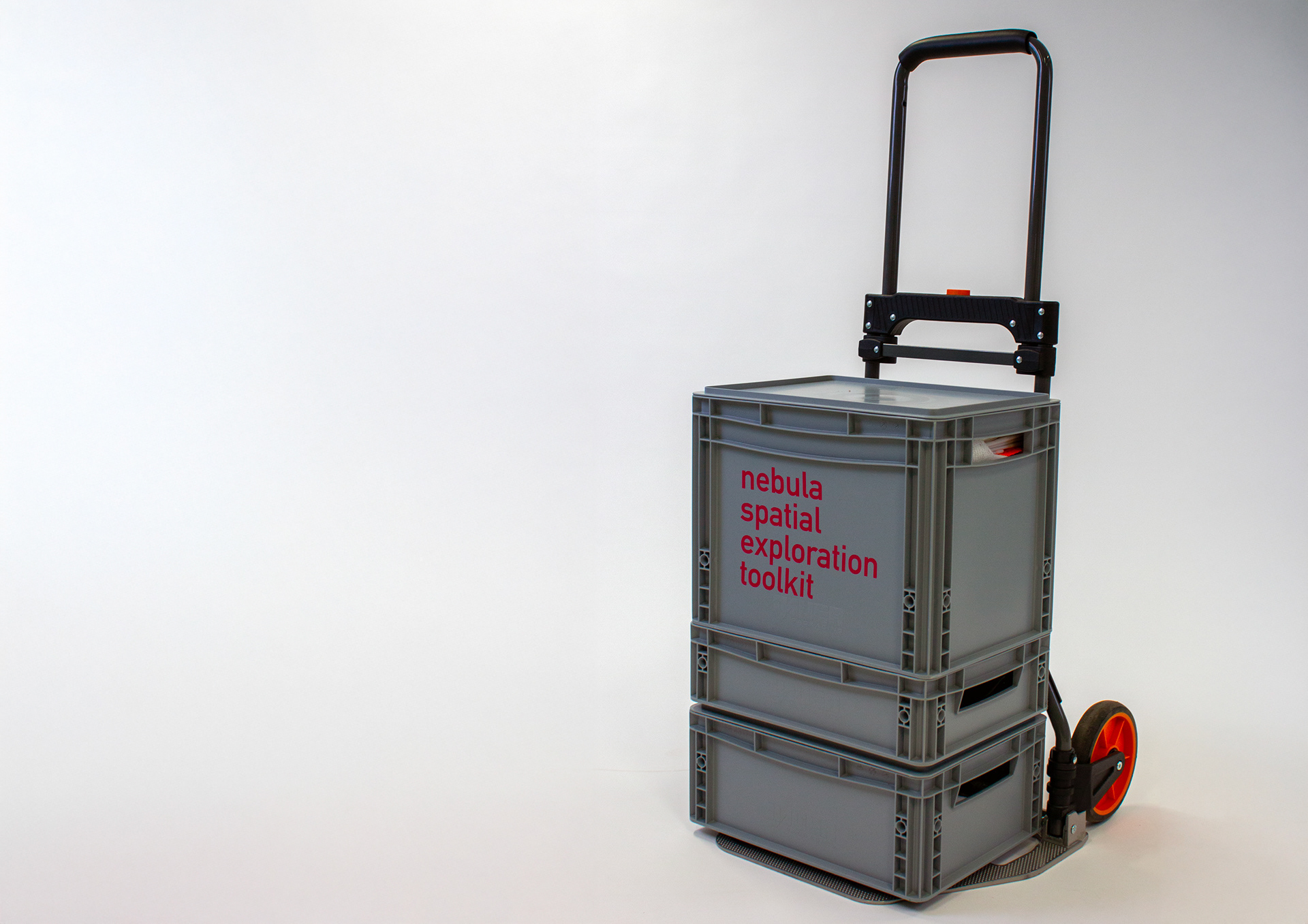
Nebula Spatial Exploration Toolkit will remain at the local preschool, becoming available for different groups to share and use regularly while exploring ‘natural in-between spaces’ in the neighborhood.

You may also like

Back to Top